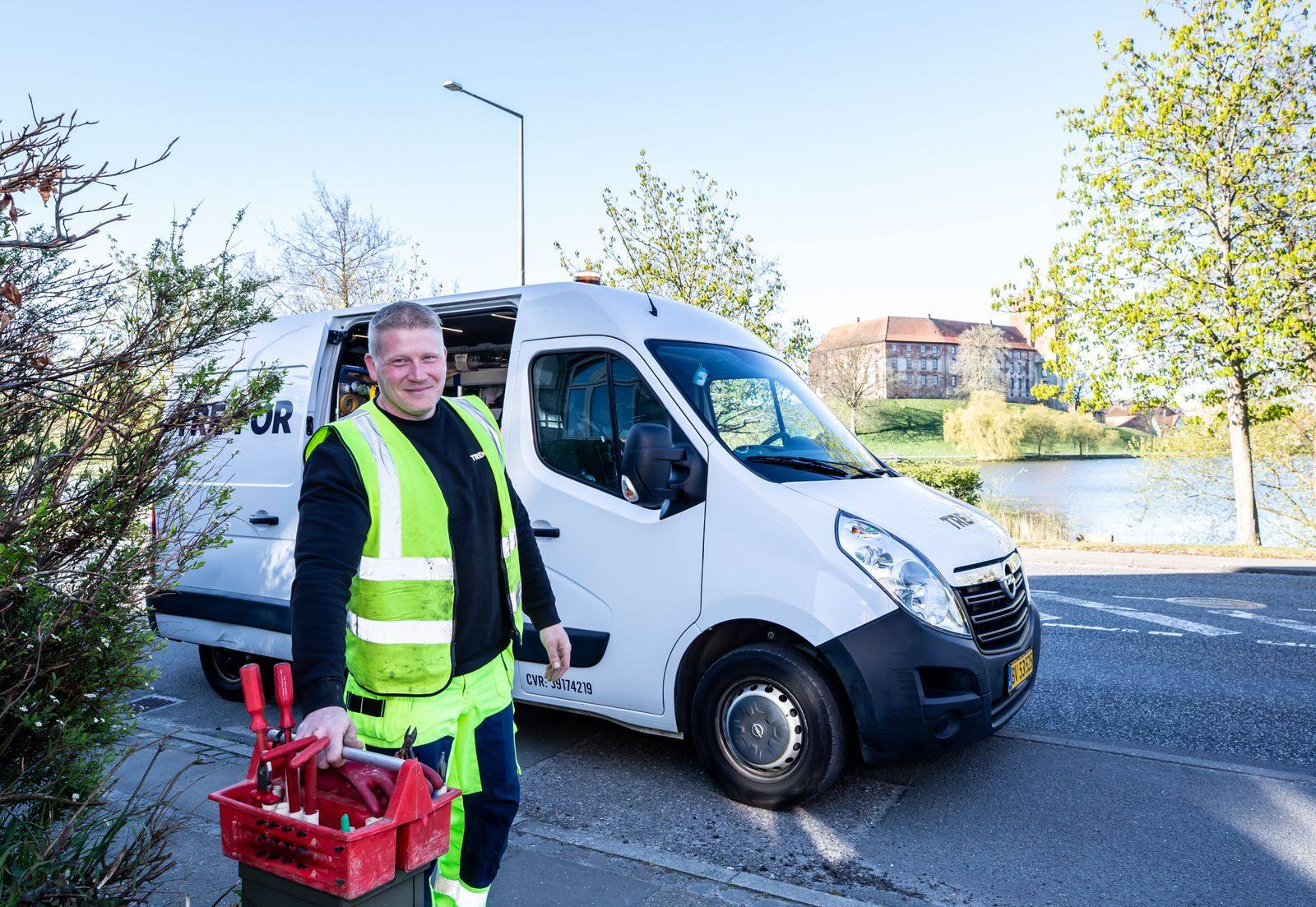
Many of the installation calls we get in Eugene, OR are not replacements at all. A family adds a bathroom and needs more capacity. A homeowner wants the heater out of a hall closet and into the garage or basement. A remodel calls for a second unit at the far end of the house, or an all-electric conversion means trading gas for a heat pump model. What these jobs share is new work: gas lines sized for the load, vents routed and pitched properly, circuits matched to the heater, and water lines run cleanly. That is the planning Eugene Water Heater does before any installation begins.
Before any pipe is cut, we match the heater to your household. Tanks are compared by first-hour rating, not just gallons, and tankless units are sized by gallons per minute at the temperature rise your water needs in winter. Then we pick the location with you. A gas model has to vent outdoors and draw enough combustion air. A heat pump model has to have breathing room, temperatures above roughly 40 degrees, and a condensate drain. Electric tankless models often require a dedicated high-amperage circuit. Anywhere a leak could ruin finished space, a drain pan goes underneath. You get clear choices and a firm price before work begins.
On installation day, nothing is left to guesswork. We run and pressure-test new gas piping, add a sediment trap, and route venting exactly to spec. Electric and heat pump units get a circuit matched to their load. Water lines go in with accessible shutoffs and proper transitions between dissimilar metals, and the relief valve is piped full size to a safe discharge point. Code items like expansion tanks, drain pans, and seismic straps are added where required, and we handle the permit when your jurisdiction needs one. Last, the heater is filled, gas models are checked for draft and combustion, and the temperature is set safely. Ready to start? Call (541) 200-6630 for an assessment in Eugene.
Replacing a heater that failed? See Water Heater Replacement in Eugene.
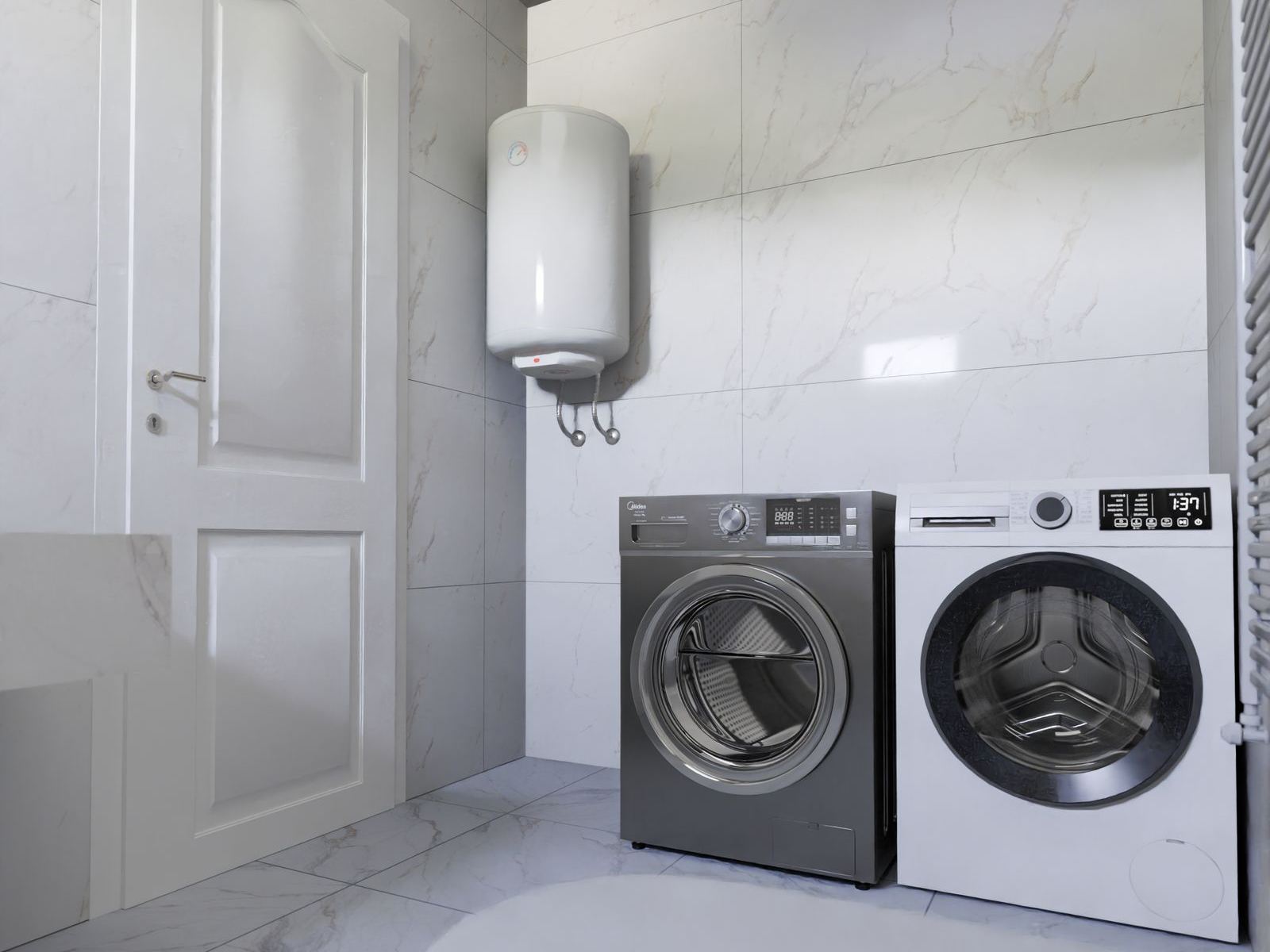
How Much Does Water Heater Installation Cost in Eugene?
Most water heater installations in Eugene typically run between $1,100 and $5,500 installed. The heater itself is only part of the number; the gas line, venting, wiring, and code items the location needs make up the rest. We look at the space first and give you an upfront price before any work begins.
| Installation | Typical cost | What it usually means |
|---|---|---|
| Standard tank, same locationExisting water, gas or power, and venting reused | $1,100–$2,800 | Existing water, gas or power, and venting reused |
| Tankless water heaterSized by flow rate; gas line and venting drive the price | $2,800–$5,500 | Sized by flow rate; gas line and venting drive the price |
| Heat pump (hybrid) water heaterBefore any rebates; the space matters as much as the unit | $2,800–$5,000 | Needs open air, a condensate drain, and a 240V circuit |
| Relocating the water heaterNew water, gas, or power runs to the new spot | $500–$1,500 added | Moving it out of a closet, attic, or living area |
| New gas line or ventingCommon with tankless and high-efficiency units | $300–$1,200 | Common with tankless and high-efficiency units |
| Dedicated 240V circuitDepends on panel space and the length of the wire run | $300–$1,000 | Depends on panel space and the length of the wire run |
| Expansion tank, drain pan, strapsProtects against pressure spikes, leaks, and movement | $150–$500 | Code items many areas require on new installs |
These are common installed price ranges, not quotes. We confirm the exact price after a site check.
What Moves the Cost Up or Down
- The type and size of heater you choose
- How much gas, venting, or electrical work the new heater requires
- Moving the heater to a new location versus installing in the same spot
- Local permit fees and required safety items like expansion tanks and pans
If you are replacing a working-but-aging heater, we can plan the install on your schedule instead of in an emergency. These are typical ranges, not quotes. Call (541) 200-6630 for your price.
Signs You Need Water Heater Installation in Eugene
A heater that is starting to struggle rarely hides it for long, and the clues are easy to spot once you know them. Watch for these telltale signs that professional help is needed:
- A heater squeezed into a closet or attic where a leak would do real damage
- Gallons wasted down the drain while you wait for hot water
- Hot water running out before everyone has showered
- A remodel that moves the utility space to a new spot
- Venting, relief valve piping, or gas connections that do not look right
- Big-tub or multi-shower demand the current heater cannot meet
- Remodel plans that add fixtures or a second bathroom
- A planned switch from gas to electric, or to a heat pump model
A Slow Leak Never Stays Slow
A little rust-colored water or a relief valve that drips now and then can be the first hint of a tank that is close to the end. A quick call to (541) 200-6630 gets a technician out to check it before it becomes an emergency.
Talk to Us About Water Heater Installation
One call gets a technician scheduled and a clear price before any work starts.
Call (541) 200-6630 TodayWhat Homeowners Ask Us Most
Why This Job Calls for a Pro
Installing a new water heater means doing several trades' work at once. Gas piping has to be sized for the heater's input and every other appliance on the line, then pressure-tested and leak-free. Venting has to follow the manufacturer's rules for diameter, length, pitch, and clearance to combustibles, or carbon monoxide can spill back into the house. Electric and heat pump units need a circuit, breaker, and wire gauge matched to their load, and whole-house electric tankless units can draw more current than many panels have to spare. On the water side, there is more: shutoffs, dielectric transitions, a correctly rated relief valve with a full-size discharge line, and code items like expansion tanks, drain pans, and seismic straps that vary by location.
With a professional install, every piece is done right once. Our experienced technicians size the heater to your demand, calculate the gas line, plan the vent route, confirm electrical capacity, and install the code items your location requires. Leaks, draft, and carbon monoxide are tested, and the heater is left at a safe temperature with the paperwork handled. That is the difference between a heater that simply works for years and one that fails inspection or backdrafts on the first cold morning. And if a simpler option would serve you just as well, we tell you that too, without pressure.
From Your Call to Hot Water
Every visit follows a step-by-step method built around testing first and replacing parts only when the readings call for it. Here's what you can expect when you choose Eugene Water Heater:
Sizing and Location
Household demand, fuel options, vent routes, panel capacity, and local code are all reviewed before we recommend a heater or a spot for it.
Plan & Firm Quote
You receive a written plan covering the heater, the piping, venting, and electrical work, and any code items, plus one firm price.
Clean Installation
Gas piping, venting, circuits, and water lines go in cleanly, with the relief valve piped to a safe point and required code items installed.
Verified Startup
Nothing is assumed. After a full heating cycle and a round of leak, draft, and combustion checks, we show you the shutoffs, the relief valve, and how to care for the new heater.
Want a Professional Opinion?
Tell us the age, fuel type, and symptoms, and we'll help you sort out the next step.
Call (541) 200-6630 TodayHow to Prevent Water Heater Problems
A few preventive steps can help you avoid a cold shower or a wet floor down the road. Here are our recommendations:
- Do not box the heater in; leave room for service and airflow
- Keep flammable liquids and clutter away from gas heaters
- Tankless heaters need a yearly flush to clear scale from the heat exchanger
- A 120-degree setting protects against burns and slows mineral buildup
- Glance at the pan and discharge pipe every month or two; water there means it is time to call
- Flush a tank every six to twelve months to keep sediment from settling
- Have the anode rod inspected every few years to protect the tank
Should You DIY or Call a Pro?
A few tasks, like checking the temperature setting or lifting the relief valve lever to test it, are fine for homeowners, but most water heater work involves gas lines, venting, 240-volt circuits, or a tank full of scalding water, and that belongs with a professional. A side-by-side look:
| Consideration | Doing It Yourself | Hiring a Pro |
|---|---|---|
| Capacity | Picked by tank gallons alone | First-hour rating or GPM matched |
| Gas Piping | Joints tightened but never tested | Load calculated, leaks tested |
| Venting | Vent routed by guesswork | Draft and CO verified |
| Wiring | Breaker and wire that almost match | Dedicated circuit sized correctly |
| Code & Permits | Pan, straps, and expansion tank skipped | Required items installed, permit handled |
| Outcome | Works until the inspector looks | Tested through a full heating cycle |
Talk to Our Water Heater Installation Team
Get your hot water back before a small fault turns into a flooded floor. Eugene Water Heater is ready to respond fast.
Call (541) 200-6630 NowWater Heater Installation Near Eugene
Our technicians handle water heater installation throughout Eugene and the surrounding communities, with the same upfront pricing everywhere we work.