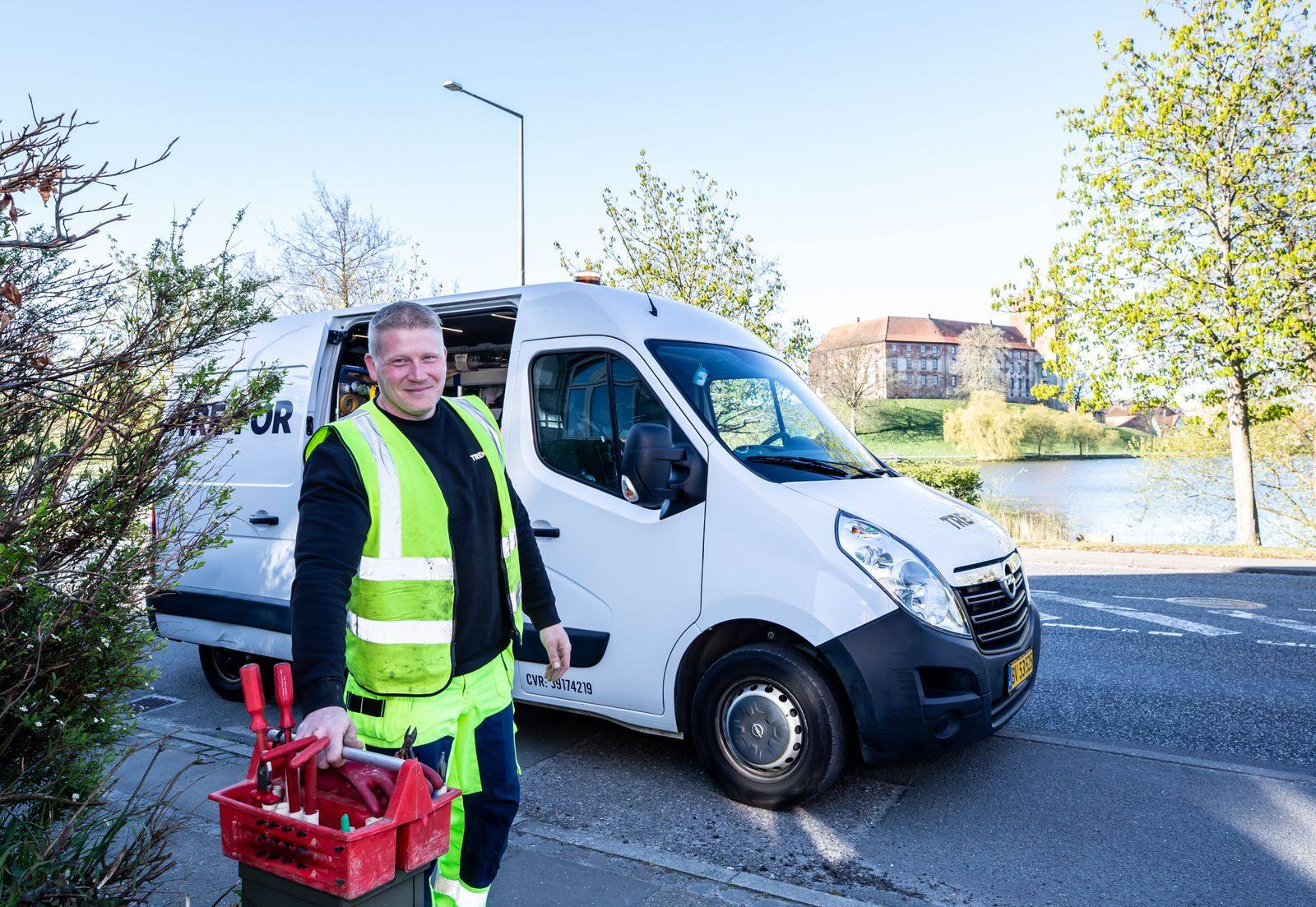
A tankless water heater works on a simple idea: instead of keeping 40 or 50 gallons hot around the clock, it heats water only while a tap is open. Flow through the unit trips a sensor, a powerful burner or electric element fires, and the water is heated as it passes through a compact heat exchanger. The upside is significant: no standby heat loss, hot water that does not run out during back-to-back showers, a wall-mounted unit that frees up floor space, and a service life that often runs close to two decades with maintenance. For plenty of Eugene, OR households, that makes tankless a smart upgrade.
Most tankless complaints trace back to poor sizing. A unit rated for plenty of flow on a spring day can struggle in winter, when incoming water is much colder and the heater has to raise it far more. So we size for your coldest months and your busiest moments, counting the fixtures that run together. We also confirm the gas line and meter can feed a burner that may be rated near 199,000 BTU, choose the correct venting for condensing or non-condensing equipment, and plan a condensate drain with a neutralizer where needed. For electric tankless, we check the panel first, because whole-home models can outstrip an older electrical service.
We install every tankless unit with its future maintenance in mind. That means isolation valves for descaling, a gas line with a sediment trap sized for the burner's full demand, venting that meets the manufacturer's rules for length and termination, and a condensate line with a neutralizer on condensing models. Where water hardness is high, we explain scale protection options before the unit goes on the wall. Optional recirculation can shorten the wait at distant fixtures. We handle permits where required, test the unit at full flow, and show you how it works. Homeowners in Eugene can call (541) 200-6630 for a demand assessment and a clear quote.
Most of our service calls are for Water Heater Installation in Eugene. Either is a good place to start.
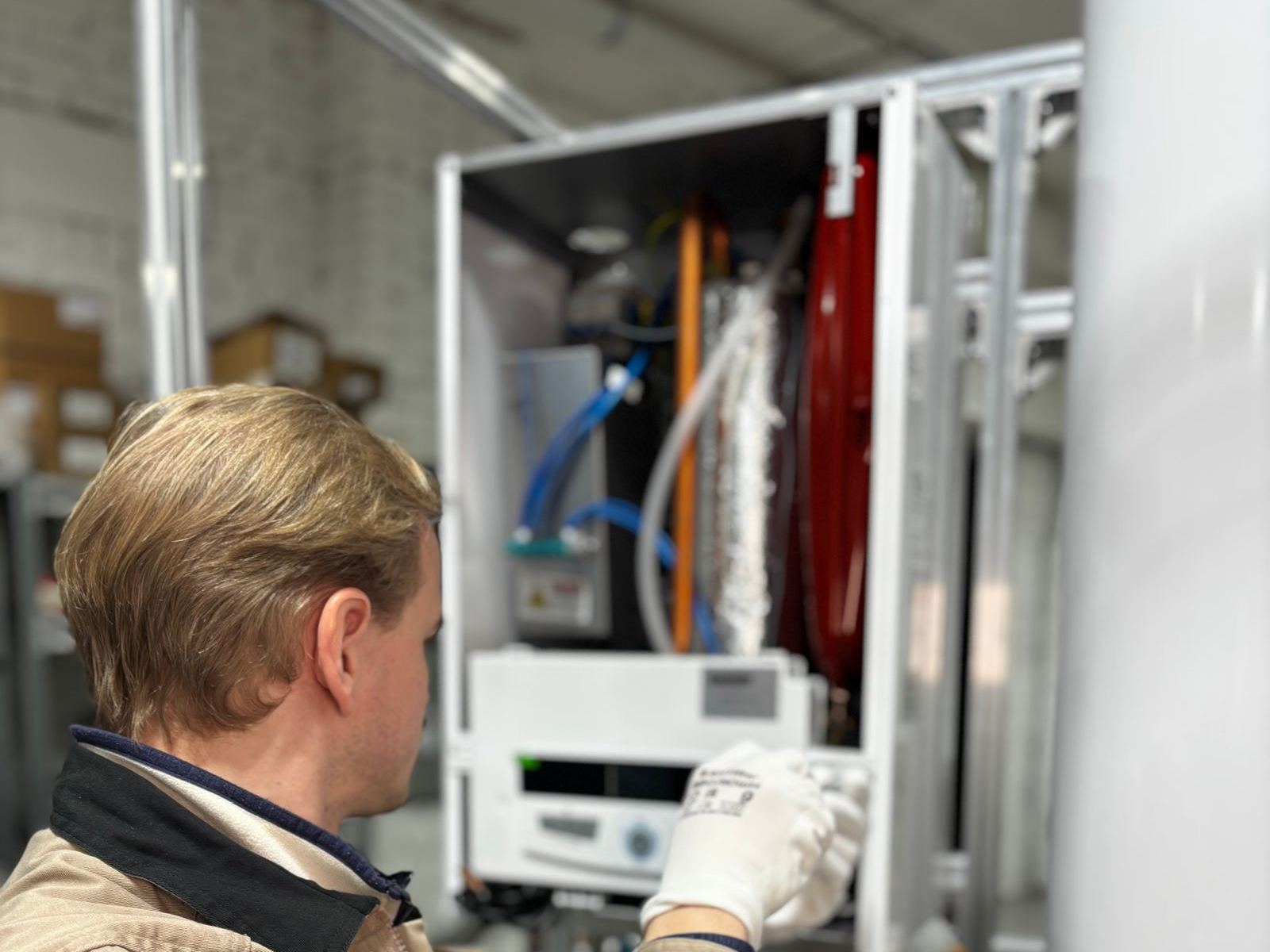
Warning Signs to Watch For
Recognizing the warning signs early can save you money and keep a slow drip from turning into a flooded utility room. Watch for these telltale signs that professional help is needed:
- A water heater near the end of its service life, making this a natural time to switch
- A tank that cannot keep up with your household's morning routine
- Adding a bathroom, soaking tub, or larger shower that needs more hot water
- A utility area where a bulky tank takes up room you would rather use
- Paying to keep a full tank hot even when no one is home
- Renovation work that makes gas line and vent changes easier to fit in
- An addition or guest suite that is a long run from the main heater
- Interest in a longer-lasting heater with replaceable parts
A Slow Leak Never Stays Slow
Most water heater failures start small: a popping sound from sediment, a damp spot under the drain valve, or a shower that goes lukewarm a few minutes sooner each week. A quick call to (541) 200-6630 gets a technician out to check it before it becomes an emergency.
Water Heater Trouble? Call Us.
Our experienced technicians are standing by to help.
Get Help: (541) 200-6630Your Tankless Water Heater Installation Questions Answered
The Benefits of Professional Tankless Water Heater Installation
Buying the right unit is the easy part. The other half is making sure your home can support it. Gas tankless burners can fire at close to 199,000 BTU, so the size of the gas line, the capacity of the meter, and the pressure at high fire all have to check out. Vent materials, lengths, and terminations are set by the manual and the code, and condensing units add a condensate drain that should be neutralized. Electric whole-home units can pull more current than an older panel can deliver. Miss one of these, and the unit underperforms or becomes unsafe.
Our technicians handle the full picture. We size the unit by flow rate and winter temperature rise instead of guessing, verify gas supply at full fire, and install venting and condensate lines exactly to specification. Every install gets isolation valves for easy descaling and a properly piped relief valve. We also give honest advice about whether tankless suits your home at all. For some households, a high-efficiency tank or a heat pump water heater makes more sense, and we will say so before you spend money on a system that does not match how you live.
Step by Step: How a Visit Works
We work through a clear, repeatable process so you always know what's happening and what it will cost. Here's a look at each step our team takes:
Size It Right
We total the fixtures you run at the same time in gallons per minute and factor in winter inlet temperature, so the unit keeps up on the coldest days.
Supply & Venting Plan
Whole-home tankless units need big gas lines or big electrical circuits. We verify yours, choose condensing or non-condensing venting, and plan the condensate drain.
Careful Install
Every connection follows the manual and local code: gas, venting, relief valve discharge, condensate, and service valves for future maintenance, with permits handled where required.
Full-Flow Testing & Walkthrough
Startup includes a full-flow test, a gas pressure check with the burner at high fire, a leak check on every joint, and a plain explanation of settings and maintenance.
Not Sure What You Need?
Call Eugene Water Heater to talk through your situation with an experienced technician.
Call (541) 200-6630 NowSimple Ways to Extend Your Water Heater's Life
A few simple habits, like an annual flush and a quick look at the relief valve, can add years to a tank. Start with these practical measures our team relies on:
- Do not cut power to a unit in a cold space, since its freeze protection needs electricity
- Check and rinse the small filter screen at the cold inlet periodically
- Check the vent cap outside for nests, debris, or buildup
- A setting near 120F limits scalding and reduces scale formation
- Hard water shortens tankless life, so ask about scale protection
- Descale the heat exchanger once a year, or more often with hard water
- Write down any error codes and call early rather than resetting repeatedly
Comparing DIY and Professional Work
The line between a safe DIY check and a risky repair is usually the moment you need to open a gas fitting, a vent connection, or an electrical cover. Here's a comparison:
| Factor | DIY Attempt | Hiring a Pro |
|---|---|---|
| Capacity | Chosen by brand or price alone | Calculated for your coldest months |
| Gas Line | Old half-inch line reused regardless of load | Gas pressure tested at high fire |
| Venting | Old flue reused or wrong vent material | Venting built to the manufacturer's specs |
| Electrical | Overloaded circuits and tripped breakers | Panel and circuits confirmed before install |
| Future Service | Service access ignored | Scale protection discussed up front |
| Outcome | Lukewarm water and error codes | Steady hot water at real demand |
Get Tankless Water Heater Installation Help Today
Every day a leak or a failing part goes unchecked puts more stress on the tank. Get Eugene Water Heater on the job today.
Tap to Call (541) 200-6630Where We Provide Tankless Water Heater Installation
Our service area reaches well past the city limits. Choose your community for local details.